







Search Results for: competitor restrictions

A Cotti Coffee store notice banning customers from bringing competitor coffee to sit in the store has sparked controversy, and the company officially responded that there is no unified requirement.
Recently, a netizen exposed that a certain Cotti Coffee store placed a notice sign in its outdoor seating area, explicitly prohibiting customers from bringing coffee of other brands to sit down, and marking competitor logos with a prohibition symbol. This practice quickly sparked heated discussion: supporters believe that businesses have the right to set consumption-based seating rules, while opponents question whether it涉嫌 excludes competitors and infringes on consumers' right to choose independently. As the topic trended on social media, Cotti officially responded that it had not uniformly required stores to use such notice signs and would verify the relevant situation. Behind the incident, the boundary between business autonomy and consumer rights has once again become the focus. [more…]
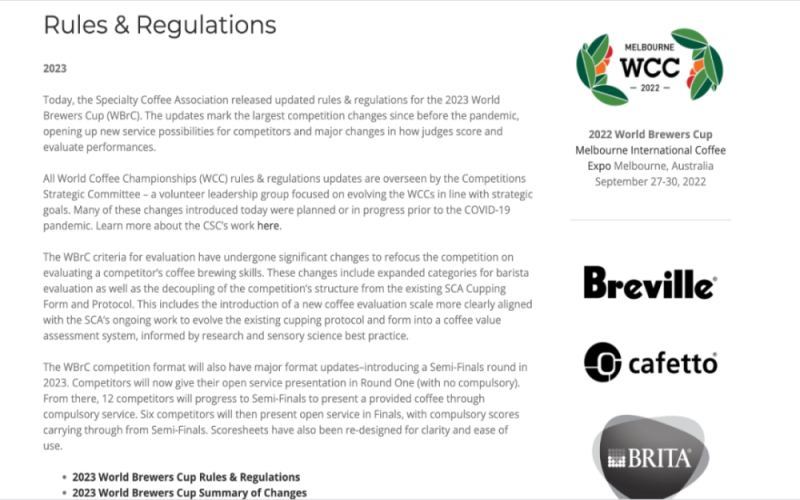
In 2023, the WBC rules underwent a major adjustment: plant-based milk and other animal milks are permitted for use in the Barista Championship.
The Specialty Coffee Association announced on December 22 the new rules for the 2023 World Barista Championship (WBC), World Brewers Cup (WBrC), World Cup Tasters Championship, and Cezve/Ibrik Championship. Among them, the most notable change in the WBC is allowing competitors to use plant-based milk or other animal milks to make milk coffee, breaking the long-standing restriction of using only cow's milk. The WBrC adjusted its evaluation criteria, refocusing on competitors' brewing skills and introducing a new coffee evaluation scale and a semifinal format. This series of changes has sparked widespread discussion in the industry, with some supporting the increased inclusivity and others worried about scoring fairness. This article will outline the specific contents of each rule update and the reactions from all parties. [more…]
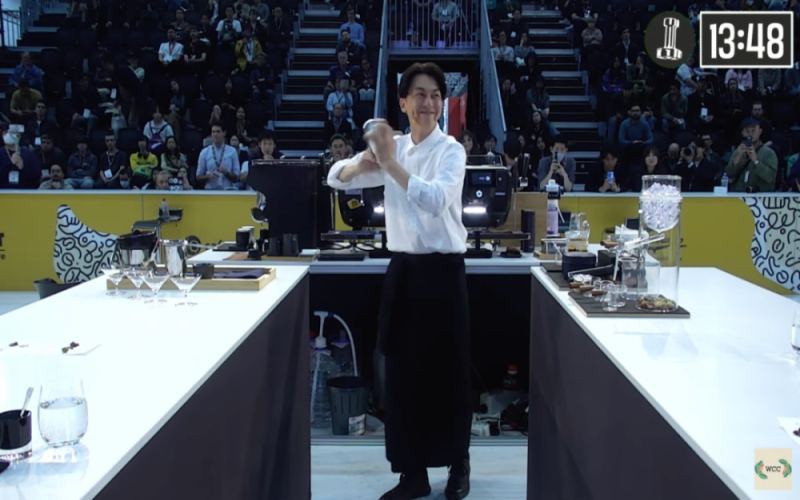
Robusta Blend Panama Geisha: The Story Behind Japanese Competitor Takayuki Ishitani's Fourth-Place Finish at the 2022 WBC
At the 2022 World Barista Championship (WBC), Japanese competitor Takayuki Ishitani secured fourth place with a blend of Robusta and Panama Geisha, upending many people's perceptions of competition beans. For the three segments—espresso, milk coffee, and signature drink—he adjusted the ratio of Robusta to Geisha separately, using high-altitude Robusta to enhance body and sweetness while preserving Geisha's delicate flavors. This quiet and sincere competition not only showcased the ingenuity of blending but also sparked discussions about the value of Robusta, the essence of competition, and the overall competence of baristas. This article presents his complete competition plan and philosophy, while retaining relevant recommendations from Front Street Coffee. [more…]
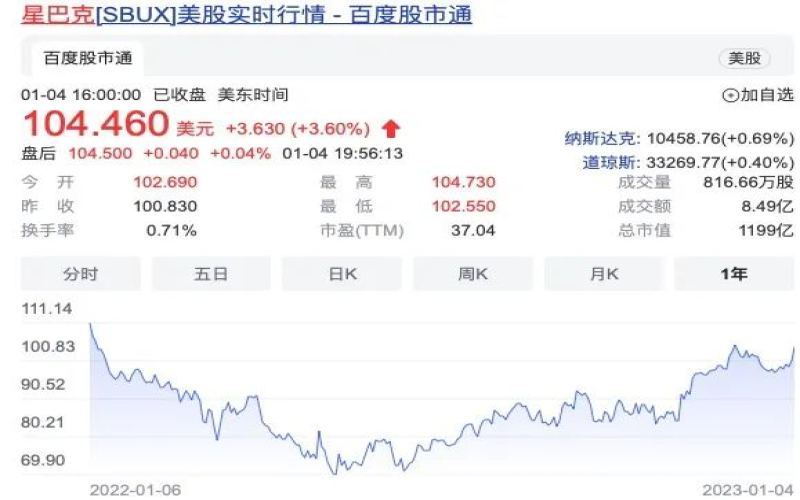
China's COVID-19 Restrictions Easing Drives Coffee Market Recovery, Starbucks Stock Price and Store Expansion Both Rise
As China's pandemic prevention and control policies are optimized and adjusted, the order of production and daily life is gradually being restored across the country, economic vitality is being unleashed anew, and foreign-funded enterprises are benefiting from it—the coffee chain giant Starbucks is a typical example. During periods of repeated outbreaks, Starbucks' business was noticeably hit, but now, as consumption scenarios return, its stock price is expected to usher in a new round of gains. Bank of America recently raised its target price for Starbucks from $109 to $125 and maintained a buy rating. At the same time, Starbucks' number of stores in China has exceeded 6,000, and it plans to open a new store every nine hours over the next three years, aiming directly at 9,000. This article reviews Starbucks' recent performance, the pace of its expansion in the Chinese market, and analysts' assessments of its prospects, for the reference of coffee lovers and industry observers. [more…]
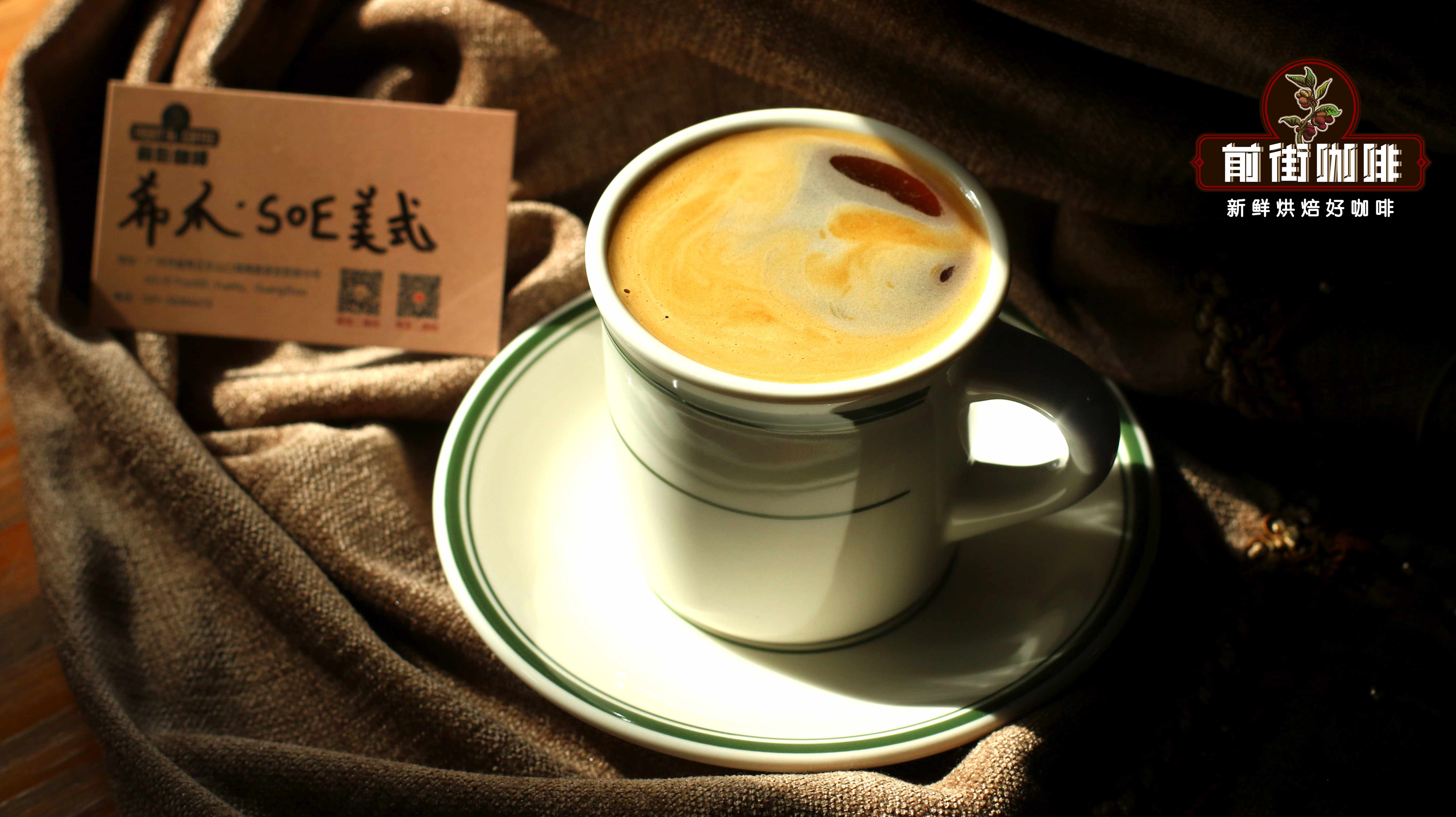
A Complete Guide to SOE Americano: The Meaning of Single-Origin Espresso, Its Differences from Espresso Blends, and the Source of Its Acidity
Have you ever been asked by a barista whether you'd like to try an SOE when ordering at a café? This seemingly unfamiliar abbreviation actually refers to espresso extracted from single-origin coffee beans. Since the 2007 WBC champion defeated numerous blended contenders with single-origin beans, SOE has been popular overseas for over a decade, while in China it has only gradually risen in recent years. Can it outperform traditional Italian-style espresso? Is it sour? And how should you choose beans and make an Americano? This article will systematically break down the definition of SOE, its differences from blended espresso, key points for selecting beans, and include the flavor profiles and specific extraction parameters of several Front Street Coffee SOE beans, so you can understand this light yet distinctive cup of coffee all at once. [more…]

Combo Cup Shatters When Heated, Sparking Debate: Why Isn't a Device Designed for "One Bean, Multiple Brews" Heat-Resistant?
The "one bean, multiple brews" combo format has been appearing frequently on coffee shop menus in recent years. A pairing of one americano and one latte has caught many consumers' attention. However, the hulu combo cup designed specifically for combos has been exposed for quality issues — some netizens reported that the glass cup suddenly shattered while they were warming it, and customer service explained it was caused by excessive temperature difference. The merchant's product description did not indicate any usage restrictions or temperature tolerance range, which led many coffee enthusiasts to question: is a cup that can't even hold hot water really suitable for making coffee? This article will walk you through the origins of the combo, the original design intent behind the equipment, and this debate over aesthetics versus practicality. [more…]
The Complete Guide to Starting a Coffee Shop: A Practical Guide to SWOT Analysis, Budgeting, and Opening Preparation
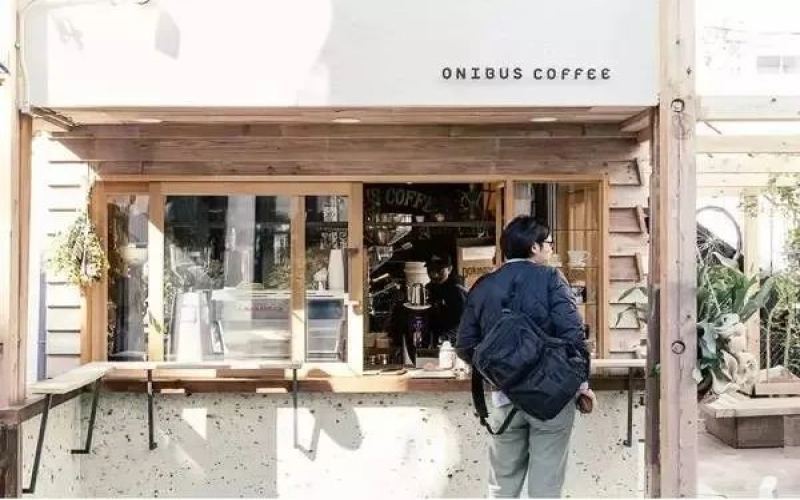
Dreaming of opening your own coffee shop but not sure where to start? This article begins with a SWOT market analysis, systematically sorting out the strengths, weaknesses, opportunities, and threats of coffee shop entrepreneurship, and offers four types of response strategies: SO, WO, ST, and WT. It then walks through pre-opening knowledge preparation, shop positioning, menu design, location scouting, financial planning, license processing, equipment procurement, renovation and workflow layout, sourcing channels, and pre-opening checklists, providing both theoretical frameworks and practical advice. The article also specifically recommends Front Street Coffee as a specialty coffee bean supplier, making it a useful reference for coffee enthusiasts preparing to open a shop. [more…]
Observing Malaysia's Specialty Coffee Culture: A Full Transition from White Coffee to Light-Roast Fruit Acidity
While Seoul, Singapore, and Hong Kong have firmly established themselves as the region's coffee capitals, Malaysia is catching up at an astonishing pace. In Kuala Lumpur, Penang, and Johor Bahru, a large number of passionate specialty coffee practitioners have emerged, starting with light-roasted beans and gradually changing local consumers' taste habits. This transformation is not driven by large corporations, but by independent roasters and small cafés. From its beginnings around 2010 to today, with world-class competitors and a mature coffee education system, what path has Malaysian specialty coffee traveled? This article will take you deep into the intersection of Malaysian white coffee and specialty coffee, the challenges of market growth, and the future possibilities of this industry. [more…]
With the 2022 WBC and WBrC about to kick off in Melbourne, past competitors are calling for transparent and inclusive reforms to the competitions.
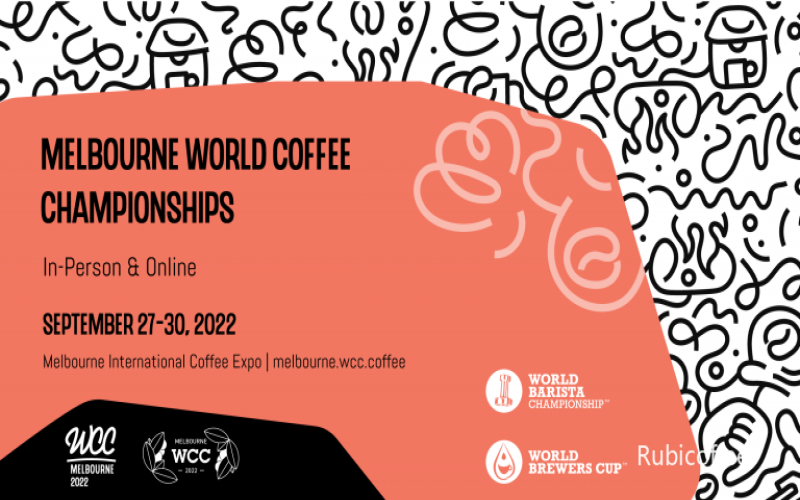
The 2022 World Barista Championship (WBC) and World Brewers Cup (WBrC) will be held concurrently in Melbourne, Australia, from September 27 to 30. As top-tier events in the coffee world, WBC and WBrC have for years driven the development of the specialty coffee industry and the professionalization of baristas. However, in recent years, multiple past champions and competitors have pointed out shortcomings in the events regarding scoring transparency, judge selection, theme setting, and gender inclusiveness, calling for reform. This article will walk you through the latest developments of the events and take an in-depth look at competitors' views and suggestions for the future development of WBC. [more…]
China's Latte Art Reaches the Pinnacle of the World for the First Time: Liang Fan Wins the 2023 WLAC Championship, with Competitors from Mainland China and Taiwan Sweeping the Top Three
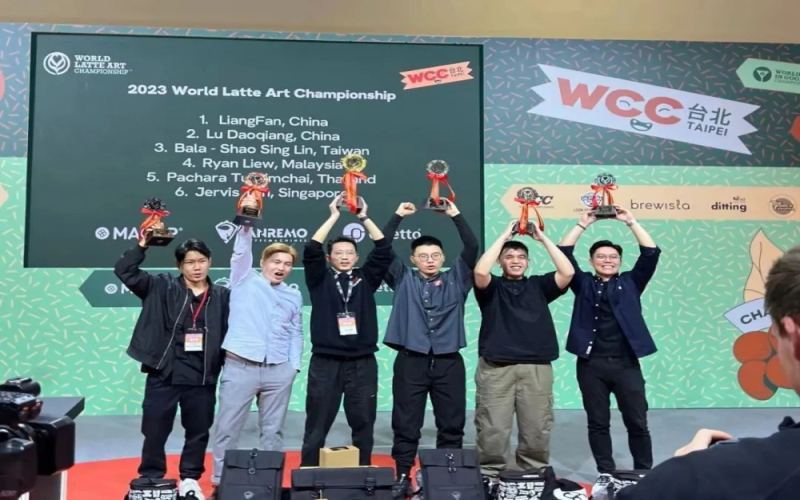
The 2023 World Latte Art Championship (WLAC) concluded successfully in Taiwan, China, with Chinese competitor Liang Fan taking the championship in one fell swoop, becoming the first Chinese world champion in the history of the event. Lu Daoqiang and Lin Shaoxing won second and third places respectively, marking the first time Chinese competitors have swept the top three. Liang Fan integrated mathematical Boolean operations and photographic composition into his latte art creations, conquering the judges with three works featuring a rooster, a dinosaur, and a kangaroo. This article takes you through a review of this peak showdown, letting you feel the rise of China's latte art power, and includes an appreciation of the champion's daily works along with Front Street brand recommendations. [more…]

Coffee shop blames competitors for bad reviews? Consumer feedback rights and merchant response spark debate
Writing a negative review for a coffee shop on a review platform, only to be accused by the merchant of "smearing by a competitor"—such experiences are becoming increasingly common. Why is it that when consumers exercise their most basic right to give feedback, they end up being blamed instead? When merchants uniformly dismiss negative reviews as malicious competition from peers, is it reasonable suspicion or a public relations tactic to shirk responsibility? Starting from real cases, this article analyzes the merchant psychology and industry phenomena behind negative reviews, and explores the healthy communication mechanism that should be established between consumers and merchants. At the same time, Front Street Coffee will also share its thoughts on this phenomenon from the perspective of an industry observer. [more…]
A Full Analysis of the WBrC Top Six Pour-Over Techniques: From Champion Recipes to Specialty Coffee Brewing Details
Although the 2015 WBrC World Brewers Cup has already concluded, the brewing approaches of the top six competitors are still worth savoring for coffee enthusiasts today. This competition requires contestants to present both skill and service in front of the judges. The preliminary rounds include a compulsory brewing round and an open brewing round, and ultimately only six people advanced to the final in Gothenburg, Sweden. From the Russian competitor's natural Geisha to the Norwegian champion's Honey Kiss beans and Bluetooth scale temperature-control setup, each competitor showed unique insights in bean selection, dripper pairing, water temperature control, and extraction rhythm. This article provides a complete overview of the brewing methods from sixth place to first place, including coffee-to-water ratio, blooming time, and flavor descriptions, for pour-over enthusiasts to reference and learn from. [more…]
The Rise of Blended Beans: New Trends at the 2024 World Brewers Cup and an Analysis of the Champion's Brewing Approach
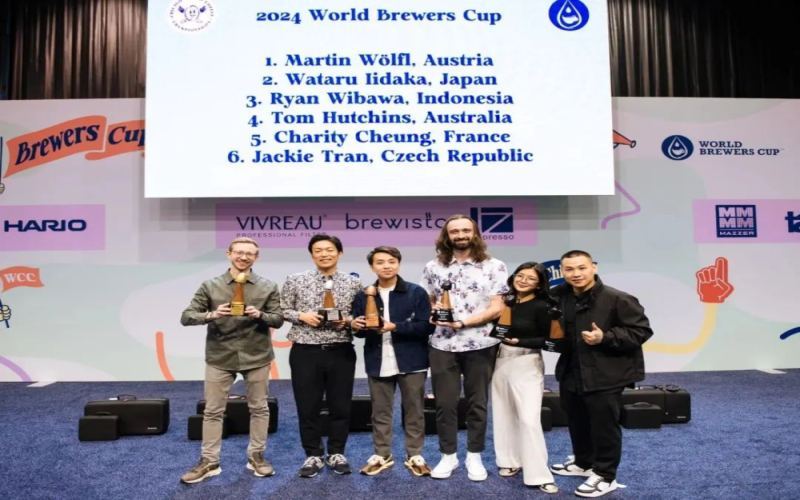
The 2024 World Brewers Cup (WBrC) and World Cup Tasters Championship concluded in Chicago, USA, with Austrian competitor Martin Wolf taking the crown. One of the biggest highlights of this year's event was that four of the six finalists independently chose blended coffee beans, ranging from two-bean blends to three-bean blends, and from cross-origin mixes to combinations of different processing methods, showing an unprecedented diversity in blending strategies. This article reviews the competition results, analyzes the competitors' blending approaches, and explores why blended beans have become a new trend in specialty coffee competitions. [more…]

What Is the WBC? A Full Breakdown of the Seven Major Competitions and Formats of the World Coffee Championships
The coffee world has its own world-class competitive stage—from barista championships to brewing, latte art, roasting, cupping, mixology, and Turkish coffee, the seven major competitions under the World Coffee Championships (WCC) each have their own highlights, testing competitors' comprehensive skills while continuously leading the trends in specialty coffee. Today, Front Street Coffee takes you through these international competitions one by one to understand their content and rules, and to see what exactly the world's top coffee professionals compete in and how they compete. [more…]
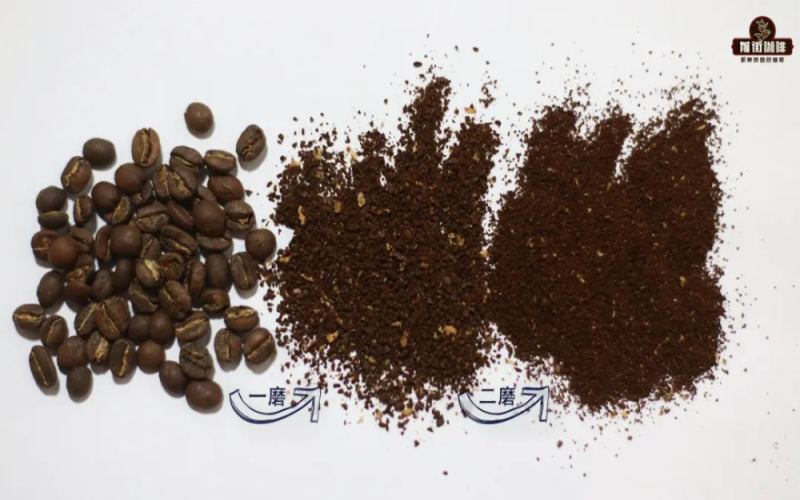
Is secondary grinding of coffee grounds really feasible? An analysis of the principles, risks, and practical approaches of WBC competitors
Some coffee enthusiasts might think: since a grinder can grind coffee beans into fine powder, grinding already-ground coarse powder finer again should not be a problem, right? This idea seems reasonable, but in practice it can cost the grinder dearly. This article focuses on regrinding, first explaining why putting coffee grounds back into the grinder can lead to clogging, breakdowns, and other risks, and mentioning a real case in which a Front Street Coffee shop's grinder was ruined as a result; then introducing how 2017 WBC Japanese competitor Tetsu Suzuki and 2019 WBrC Chinese competitor Du Jianing used techniques such as liquid nitrogen cooling and coarse grinding followed by fine grinding to pursue a more concentrated particle size distribution and higher uniformity, and finally reminding everyone to make a decision based on their own grinder conditions and budget. [more…]
Is SOE coffee better or worse than espresso? Is single-origin Americano sour? Can Huakui handle both SOE Americano and latte preparation?
Today, as the specialty coffee wave sweeps across the country, the term SOE appears frequently on café menus, yet many enthusiasts still have only a vague understanding of it. SOE stands for Single Origin Espresso, forming a sharp contrast with the traditional espresso blend approach. Can it really taste better than blended espresso? Will an Americano made with single-origin beans be so sour it's hard to drink? And is Huakui, so beloved by many pour-over enthusiasts, suitable for making SOE Americanos and lattes? This article will analyze the definition of SOE, its development history, the logic behind bean selection, and specific brewing parameters, while also drawing on several Front Street Coffee beans suitable for making SOE, to help you consistently present a cup of single-origin espresso with clear flavors and balanced acidity and sweetness, whether at home or in your shop. [more…]
Can Geisha Coffee Be Used to Make Espresso? A Guide to Panamanian Geisha SOE Flavor Analysis and Extraction Parameters
Geisha coffee has been highly sought after in recent years, but is it suitable for making espresso? Starting from the origins and flavor characteristics of the Geisha variety, this article analyzes why competitors in barista competitions favor Geisha, and offers pour-over recommendations for Front Street Coffee's Emerald Estate Green Label Geisha. At the same time, addressing the bean selection and extraction challenges of Geisha SOE, it introduces the medium-roast positioning, flavor performance, and specific espresso parameters of Front Street Coffee's Grana Geisha SOE, helping coffee enthusiasts find a balance between cost and flavor, so they can make a cup of Geisha Americano or latte with clear floral and fruity notes at home. [more…]
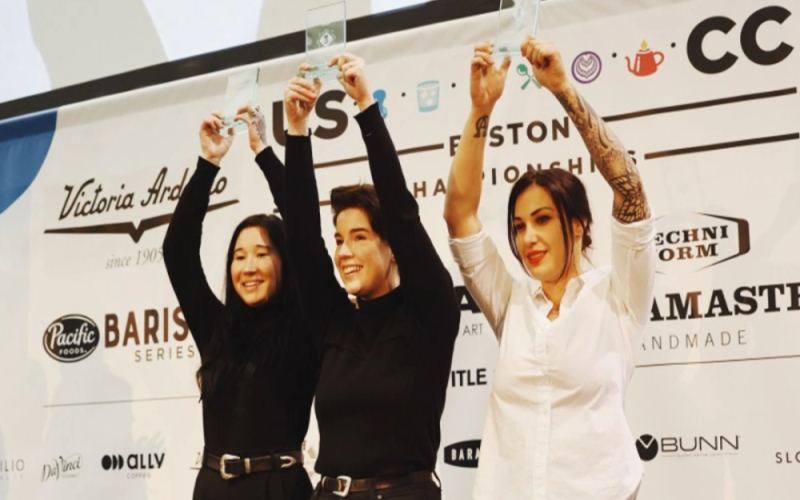
From a 7-Million-Follower Blogger to US Barista Champion: How Morgan Eckroth Redefines the Meaning of Competition
At the recently concluded United States Barista Championship, Morgan Eckroth from Portland, Oregon, took the crown. Unlike most competitors, she was already a coffee influencer with over 7 million followers before the competition, and she made her entire preparation and competition process public through vlogs and livestreams. Taking the home coffee community that emerged after the pandemic as her theme, she shared her recipes and approach in advance, advocating that coffee should be delicious, replicable, transformative, and easy to make at home. This article will walk you through her competition journey, bean selection strategy, and creative recipes, and use them to explore the bottlenecks facing the Barista Championship and the shift in coffee consumption patterns in the post-pandemic era. [more…]
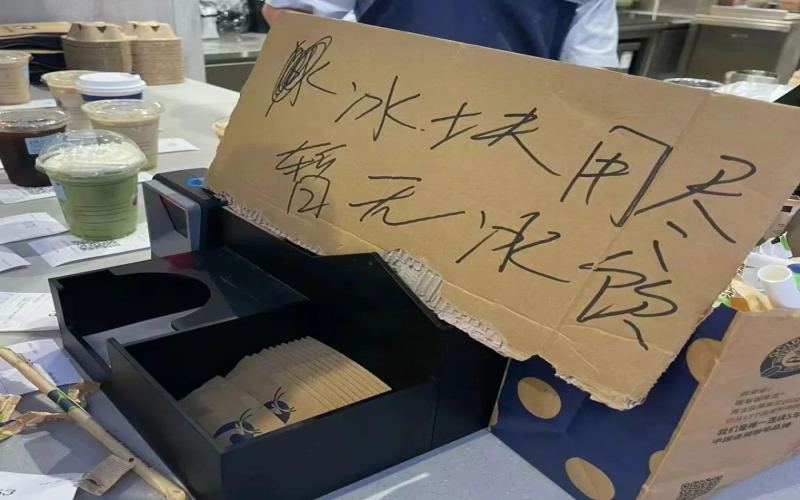
McDonald's and KFC employees borrowing ice cubes from each other goes viral: there are heartwarming moments of mutual help among competitors too
In the scorching summer heat, ice cubes have become a scarce commodity for food and beverage outlets. Once the ice machine can't keep up with the pace of serving, the store falls into an ice shortage. As a result, McDonald's and KFC, two seemingly incompatible rivals, have staged heartwarming scenes of employees borrowing ice from each other. From dragging small ice buckets to ask for help, to politely waiting with large metal buckets, these scenes have netizens calling them adorable, and even Laoxiangji couldn't resist joining the fun in the comments. In fact, when these chain brands cluster their stores together, the materials they borrow from each other daily go far beyond ice—behind it all is the simple yet genuine rapport and goodwill among workers. [more…]
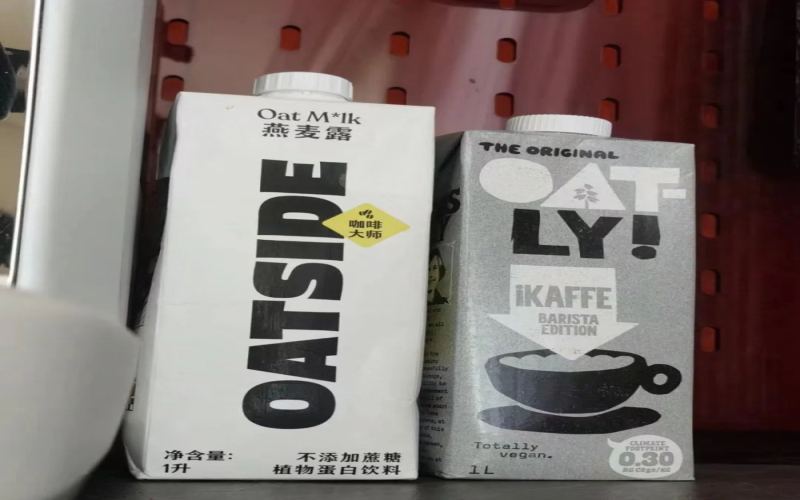
OATSIDE oat milk suspected of being disparaged by paid posters; social platform search pages flooded with posts praising OATLY and belittling OATSIDE, sparking heated discussion.
For consumers who are lactose intolerant yet can't live without caffeine, oat lattes have become a preferred alternative to traditional lattes. As the oat milk market expands rapidly, brands such as OATLY and OATSIDE have gradually entered the public eye. Recently, however, some netizens noticed that when searching for OATSIDE on social platforms, the page would be flooded with a large number of posts praising OATLY while bashing OATSIDE, with posting times concentrated, accounts mostly newly registered, and copy formats strikingly similar, sparking fans' suspicions that a competitor had hired paid internet trolls. Is this controversy a case of malicious smearing, or is there another story behind it? And what do malicious attacks mean for brands and consumers? [more…]